Montana Knife Company
Forged for the Hunt
Montana Knife Company is a company built for hunters, by hunters.
“We are a hunting knife company. That's how we started,” says Josh Smith, founder and CEO of the national brand. Founded in 2020, Montana Knife Company leans on hunting as its main foundation, but it’s also expanded into culinary cutlery, folding knives, everyday carry options and apparel. Josh is a lifelong hunter. Chief marketing officer Brandon Horoho describes him as the sort of guy who would skip class for a good day of hunting.
“Josh flunked himself out of college [duck] hunting,” Brandon says with a laugh. “He loves telling that story, showing up to class in waders and all that stuff.” Brandon himself is an avid hunter and outdoorsman. That passion filters through the brand in one strong theme: craftsmanship meeting performance.
“Our goal was that we weren't going to make a hunting knife unless we could hand it to any hunter going on any hunt anywhere in the world. That's the standard of quality,” Brandon adds.
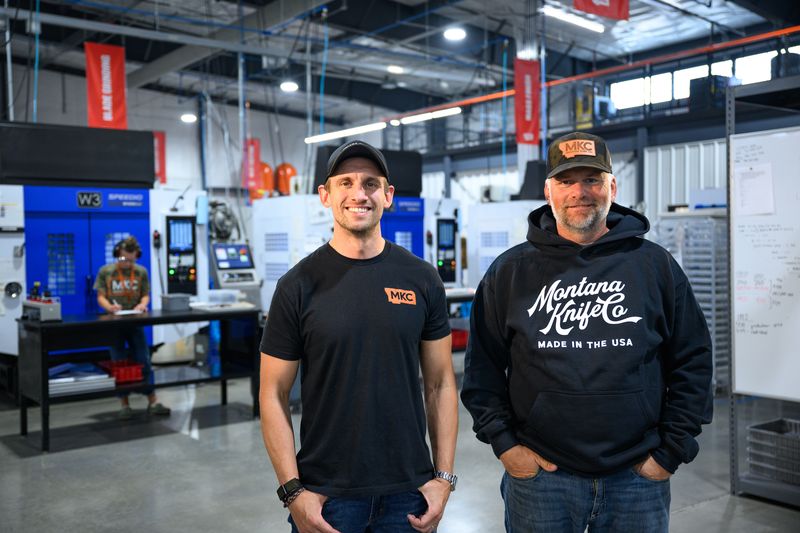
That standard of quality only exists because of Josh’s lifetime dedication to the craft. A native of Lincoln, Montana, he began making knives at age 11 under the mentorship of his Little League coach, master bladesmith Rick Dunkerley. At 15, Josh was the youngest person ever to pass the American Bladesmith Society's Journeyman test. Four years later, he was the youngest to pass the Master Smith test, and he registered the name “Montana Knife Company” that same year. He made a name for himself crafting high-end custom knives for decades, and he even made two appearances as a contestant on the History Channel’s “Forged in Fire.”
If Montana Knife Company seems like it rose to the top in a flash, it certainly didn’t happen in a vacuum. Josh had an inkling he could take that well-honed knowledge into the direct-to-consumer space on his own terms. He was right.
“The brand is an overnight success story that took about 30 years,” Josh says. In 2020, he was working as a power lineman for NorthWestern Energy when he and his wife, Jessica, started MKC in their two-car garage in Frenchtown, Montana. He quit that job less than a year later to make a go of knifemaking full time. Shortly after, he connected with Brandon to help him build the marketing side of the business.
“[Josh] pitched me this idea of Montana Knife Company,” Brandon says. “He had some samples, and I said, ‘Dude, you have something here. Let's figure out how to make this work.’”
Customers were buying every knife they could make and signing onto waiting lists with each sellout. Soon, Josh expanded the company from the two-car garage into a 10,000-square-foot facility — built in his own horse pasture. MKC’s initial slogan was “Working Knives for Working People,” and Josh fiercely committed himself to building a company that also supported his hardworking employees.
“There's no better place, in my opinion, to find people with the right kind of culture for Montana Knife Company than Montana. It's that Montana work ethic, the core values: family, community, country. All of that is Montana.” Josh continually comes back to how his company wouldn’t be what it is today without the Montana ethos and infrastructure, from the employees to the customers to the aid of both county and state governments in supporting the brand’s growth.
But really, Montana Knife Company initially set out to make a really good knife for people who intended to use it, the sort of knife that would transcend generations. Frankly, it worked.
“We're going to make a knife that you only buy once, and that's the knife you need for the rest of your life."
“Then you're going to pass it down to your kids, and they're going to pass it on to your grandkids,” Brandon explains.
A hunter himself, the value of building a quality tool showed up for Brandon in a moment afield with his 8-year-old daughter. After filling a deer tag, he was able to share what his life’s work really meant for both of them.
“I said, ‘These are the knives that Daddy makes, and this is why Daddy makes these knives,’” Brandon recalls. “For her to understand that these knives are meant to harvest meat was really special. When you layer on that generational piece of getting to pass down what I love, hunting, to my daughter, who is now absolutely obsessed with it, and that link being a [MKC] knife, that's really cool.”
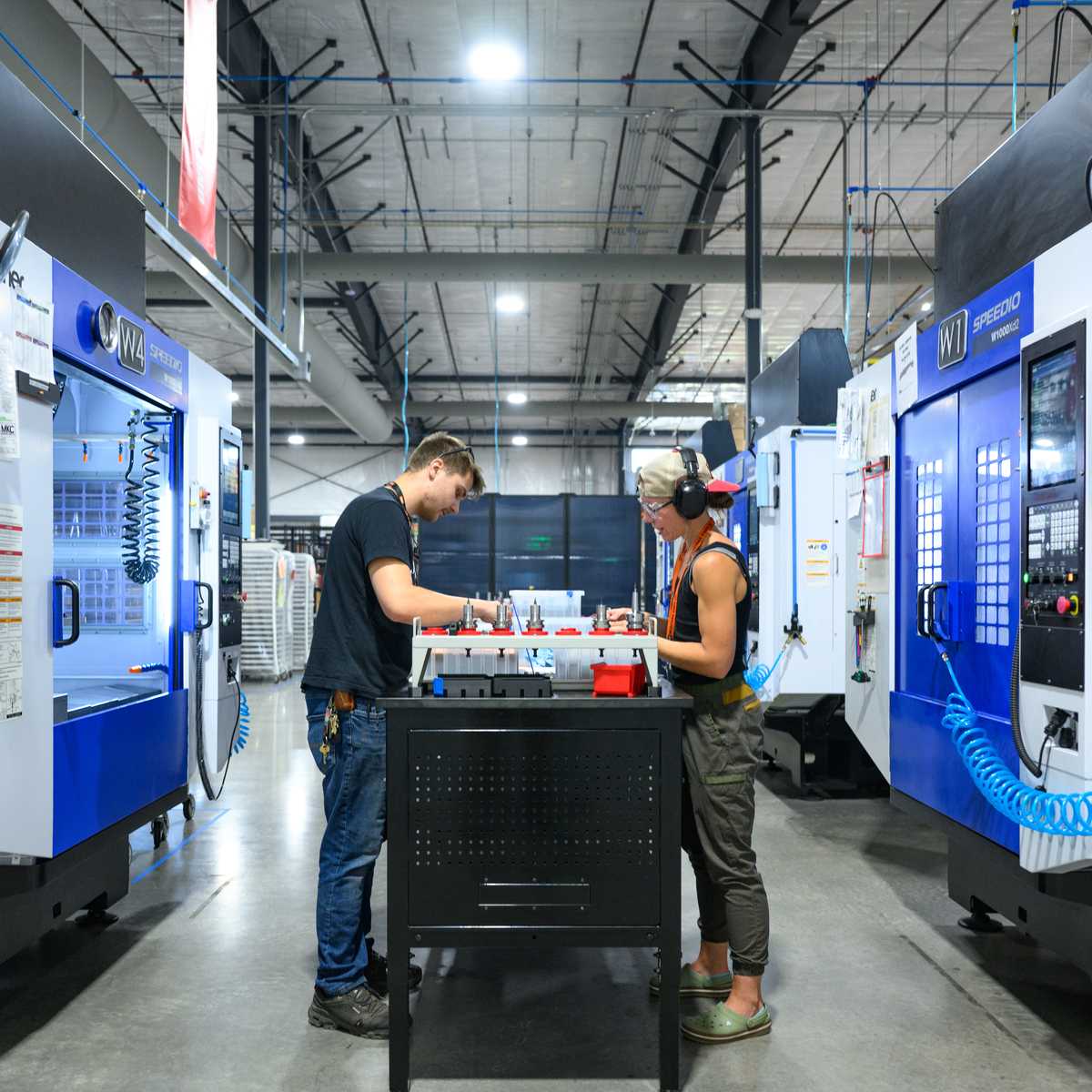
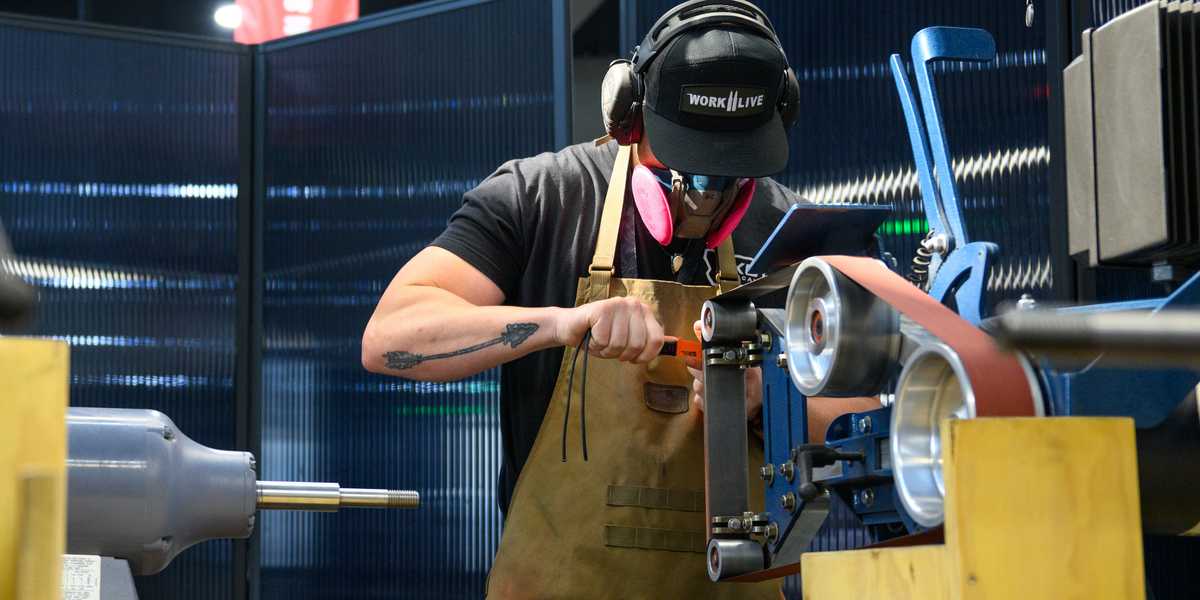
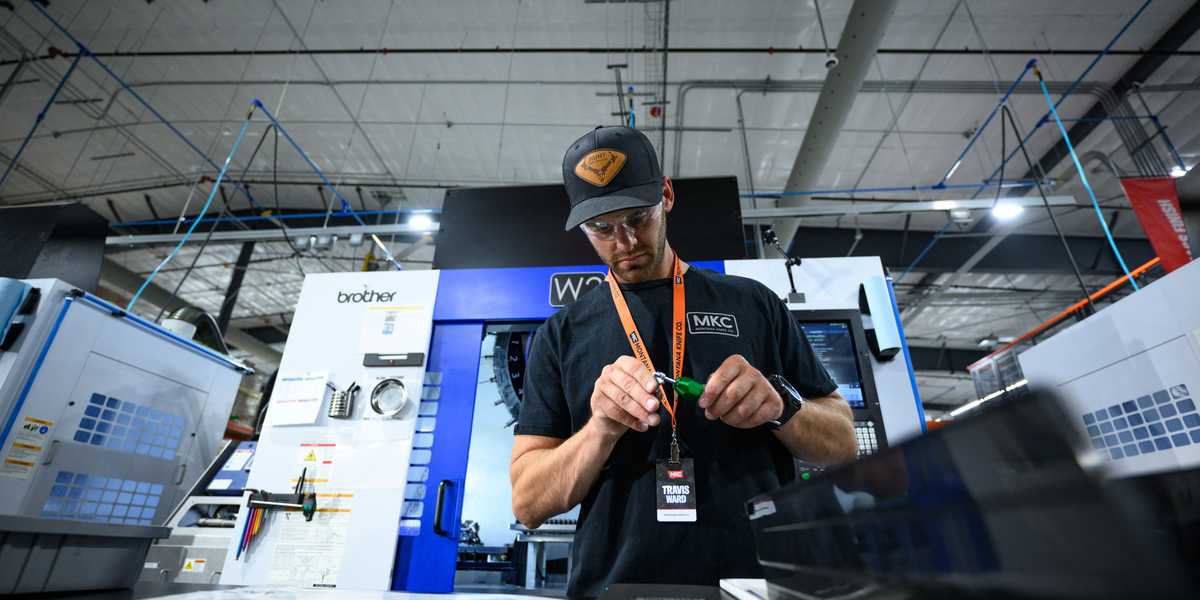
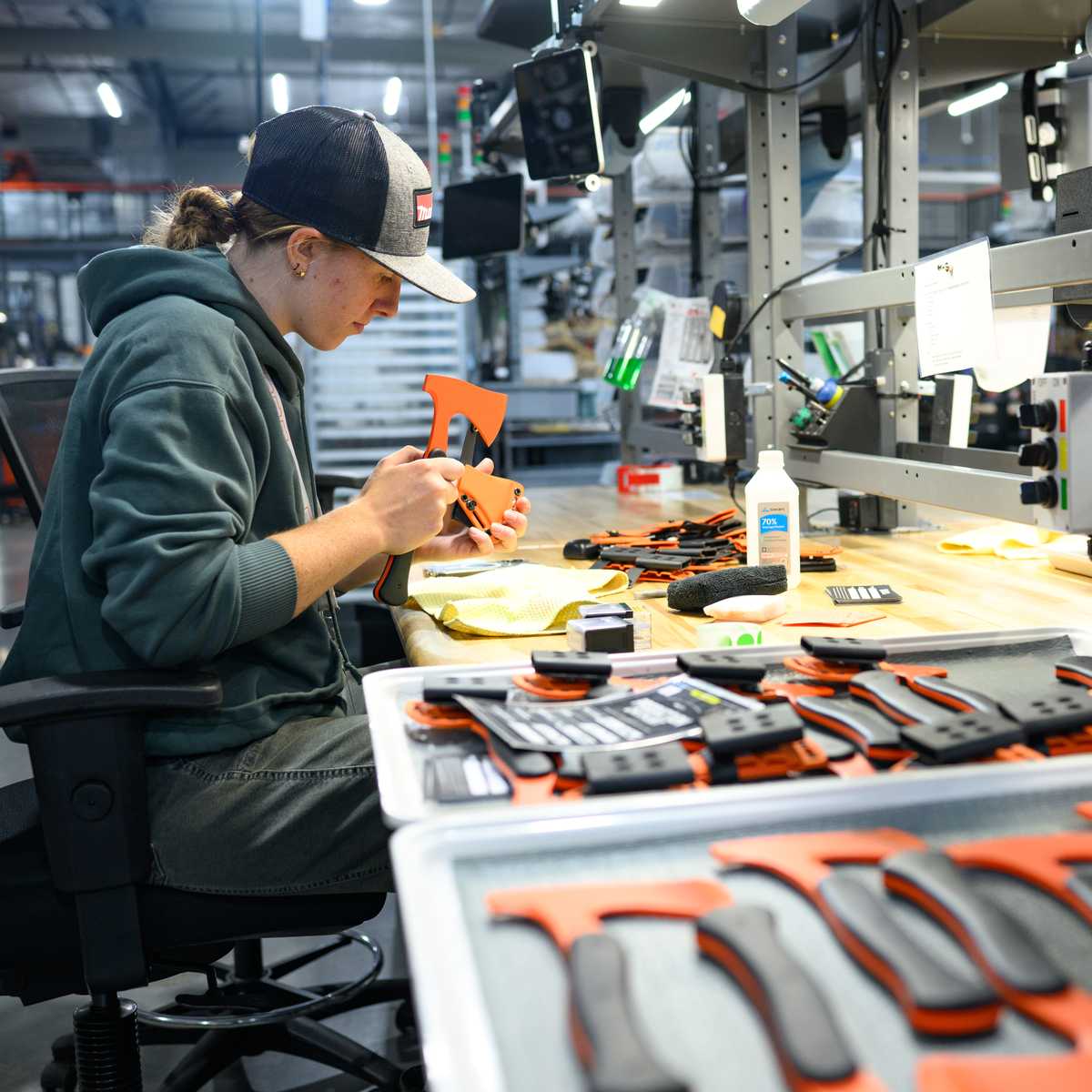
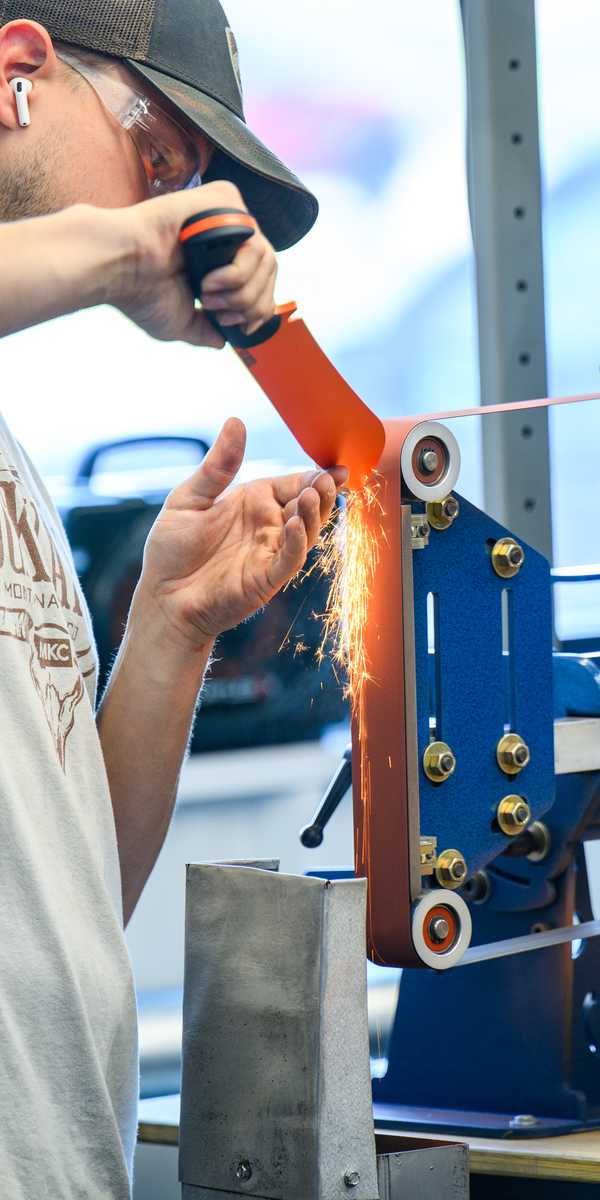
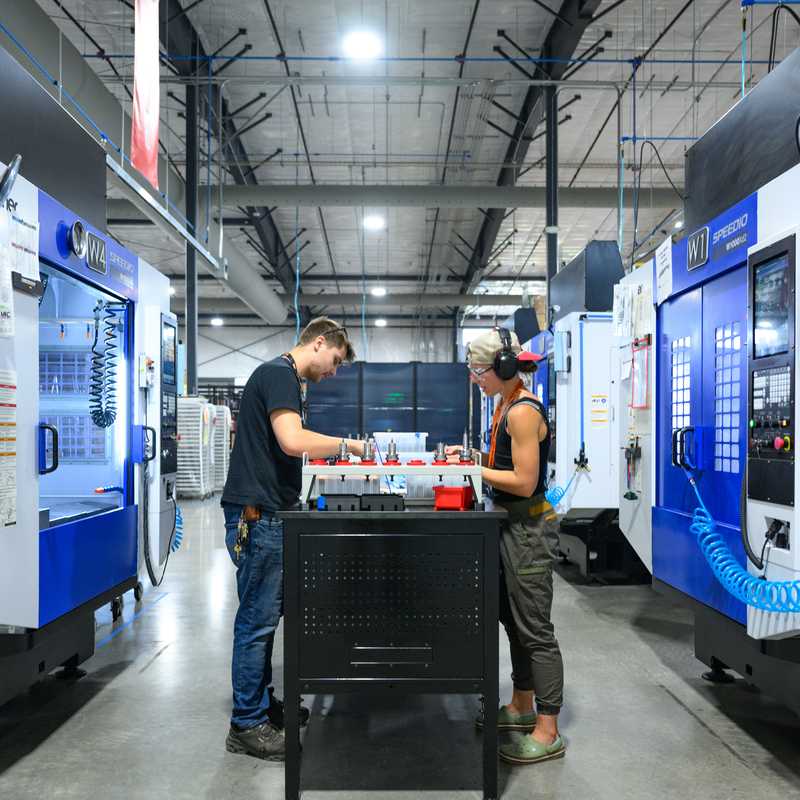
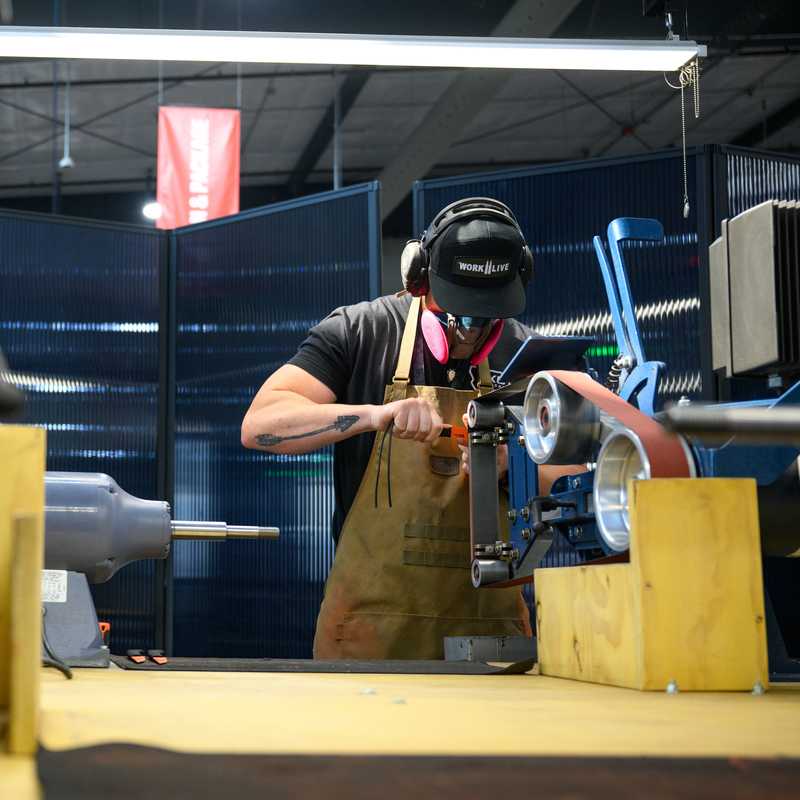
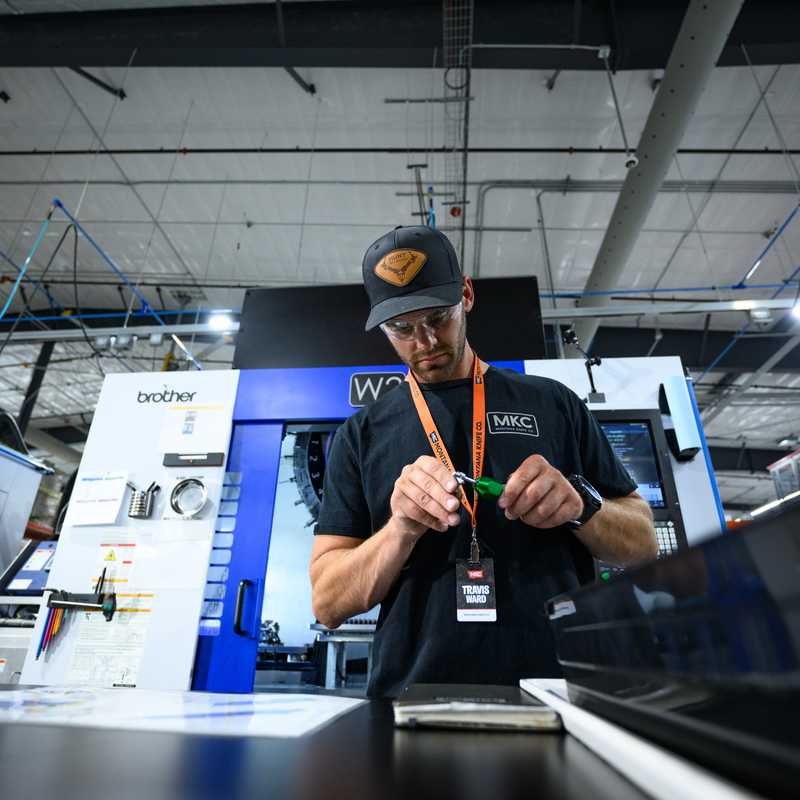
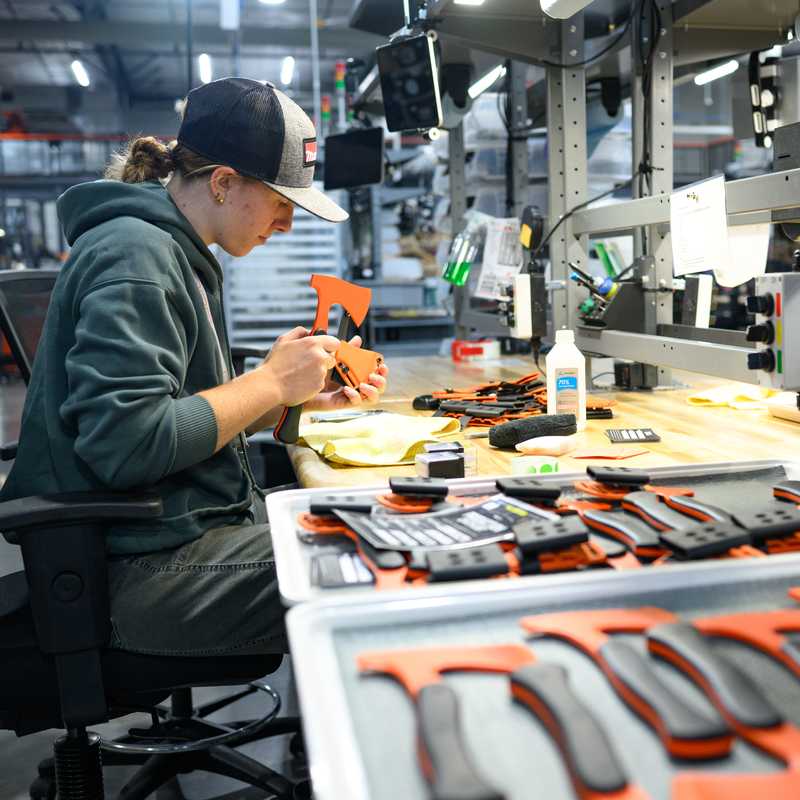
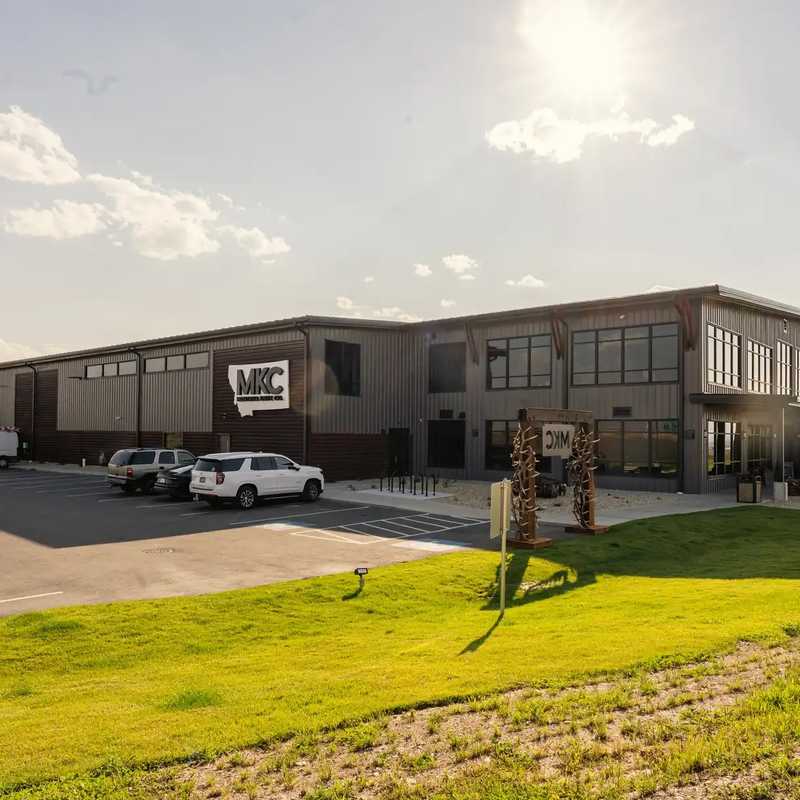
Quality and quantity are not always on opposite sides of the spectrum. At least not when a knife-making business is taking off like “lightning in a bottle,” as Brandon puts it. Montana Knife Company quickly outgrew its 10,000-square-foot space. It now occupies 51,000 square feet of prime real estate, at what Missoulians call “The Y” of Interstate 90, where hundreds of thousands of travelers take Exit 96 north to Glacier National Park, Flathead Lake and Kalispell, Montana.
“We are right on the hill, and the reason we built on this part of the land we bought is that we wanted to be the first building you saw when you arrived in Missoula,” Josh notes.
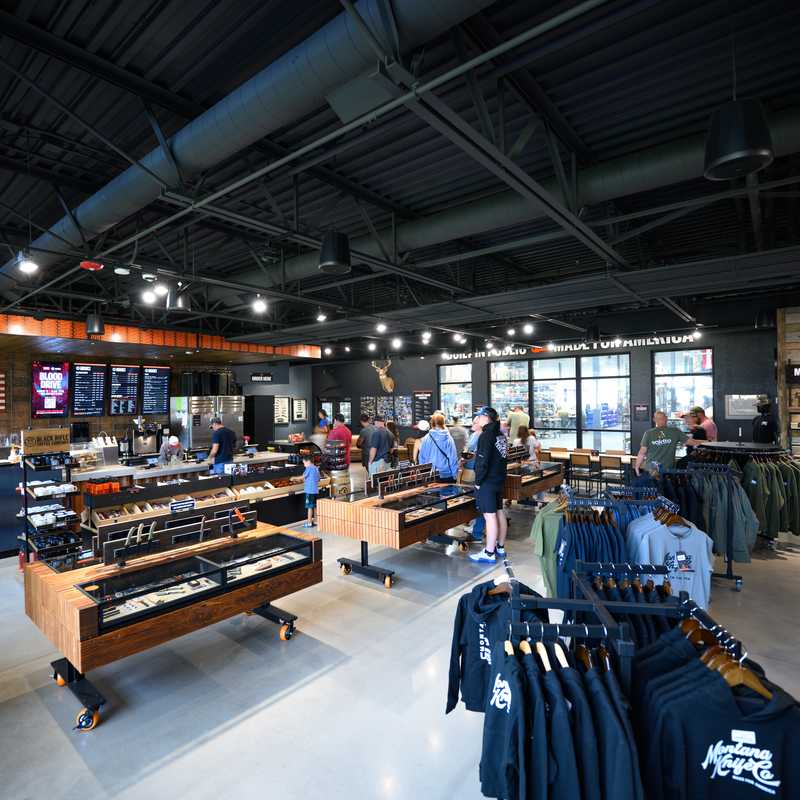
Though manufacturing is typically a secretive business, Josh decided to flip the script. Montana Knife Company partnered with Black Rifle Coffee Company to add a coffee shop to their public retail space. Large glass windows allow visitors to watch as hundreds of thousands of knives and parts are sorted through the manufacturing process. The words “Built in Public” hang over the windows, and the notion of sharing what they do with the greater community is immediately tangible.
“The only way we're going to win is to let people see what we're doing and see for themselves that it's special.”
“When I walk into that manufacturing facility, there are little kids with their faces up to the glass, and they're watching our employees work,” Josh says.
The ethos of Montana Knife Company harkens back to an era when working-class families could afford to raise a family on a manufacturing salary. Josh notes that they’re now spending nearly $1 million per month on payroll, an unimaginable number just six years prior. He brings in local experts to teach his employees about personal finance, how to get a mortgage, health and wellness, and more. Many employees start out as knife techs, then work their way up through the ranks toward aspects of the company that lean into their talents. Josh doesn’t expect everyone to stay for the entirety of their career, though he clearly welcomes it.
“If you worked for Montana Knife Company and you apply for a job and you look back down the road, I want you to look back and say, ‘I was better for having worked there,’” he says.
That notion speaks to Josh’s dream of creating a company that serves the ultimate trifecta: customer, employee and community. Josh is clear that his success is also his community’s success. Just this year, Montana Knife Company was able to sponsor the University of Montana’s football field in a $2 million deal serving the local university. Additionally, MKC is one of the top five buyers in the local 4-H and FFA livestock auctions annually. And they support local members of the community on a case-by-case basis.
“When you grow a national brand, you're not just counting on your neighbor in Montana to buy your product. We are hiring Montanans, we are building a product and shipping it all over the country, and [we are] bringing that money back to our local economy,” Josh notes with pride.
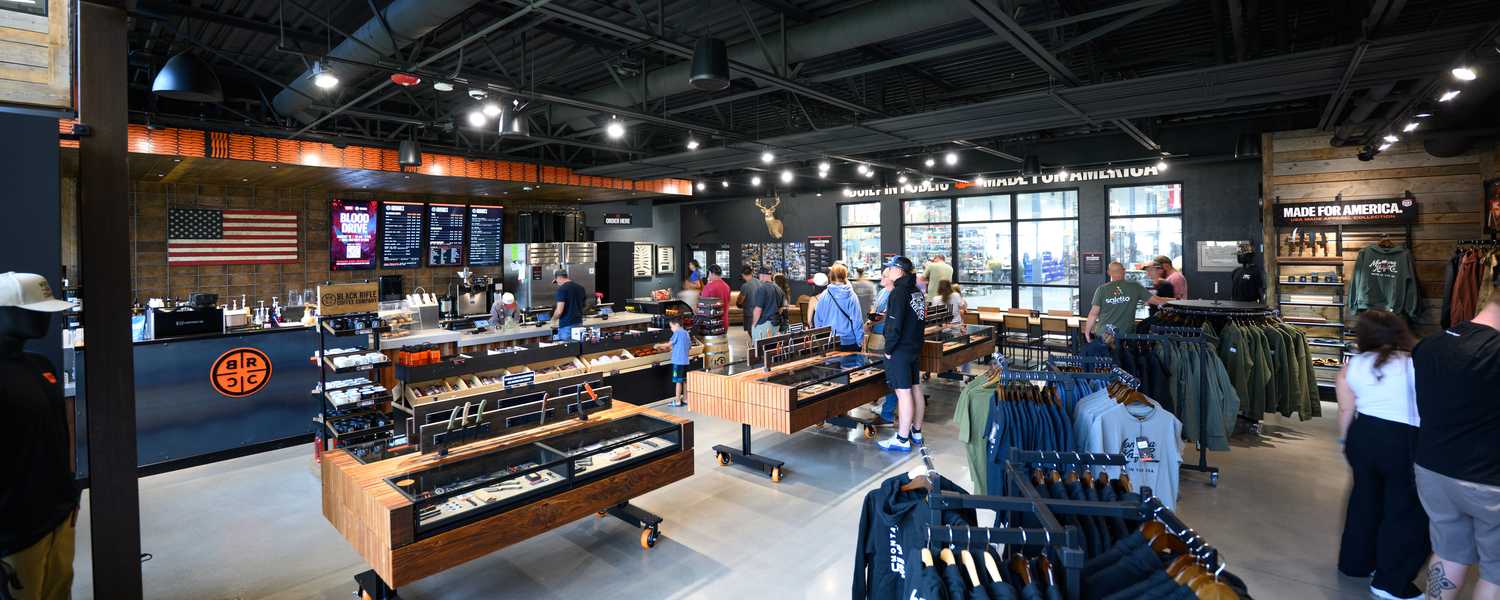
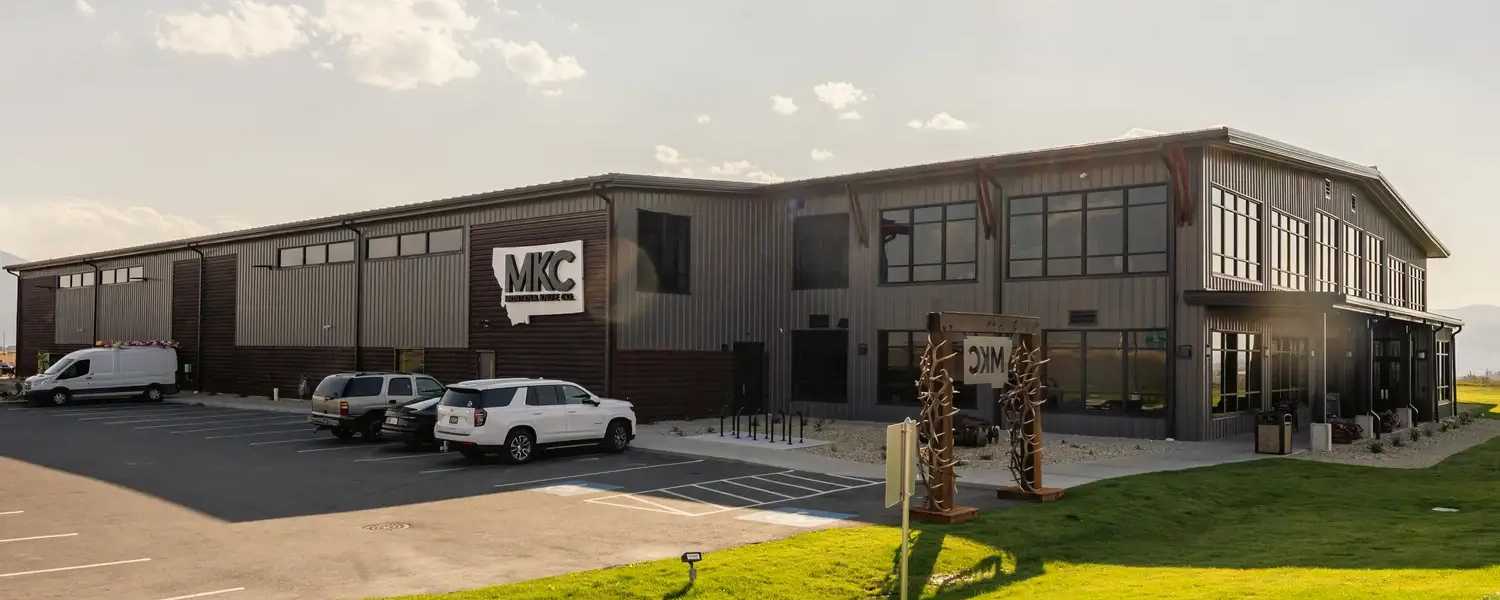
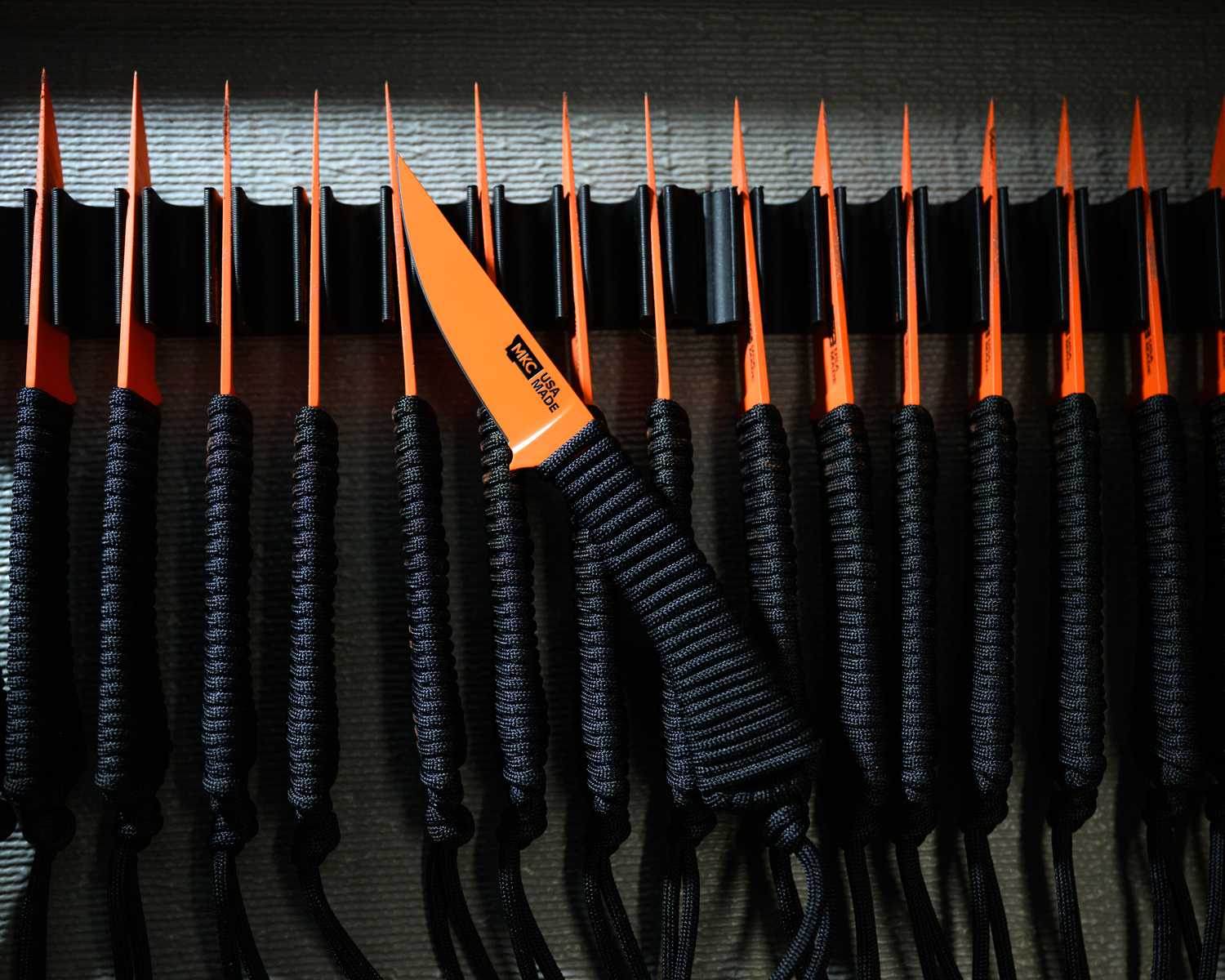
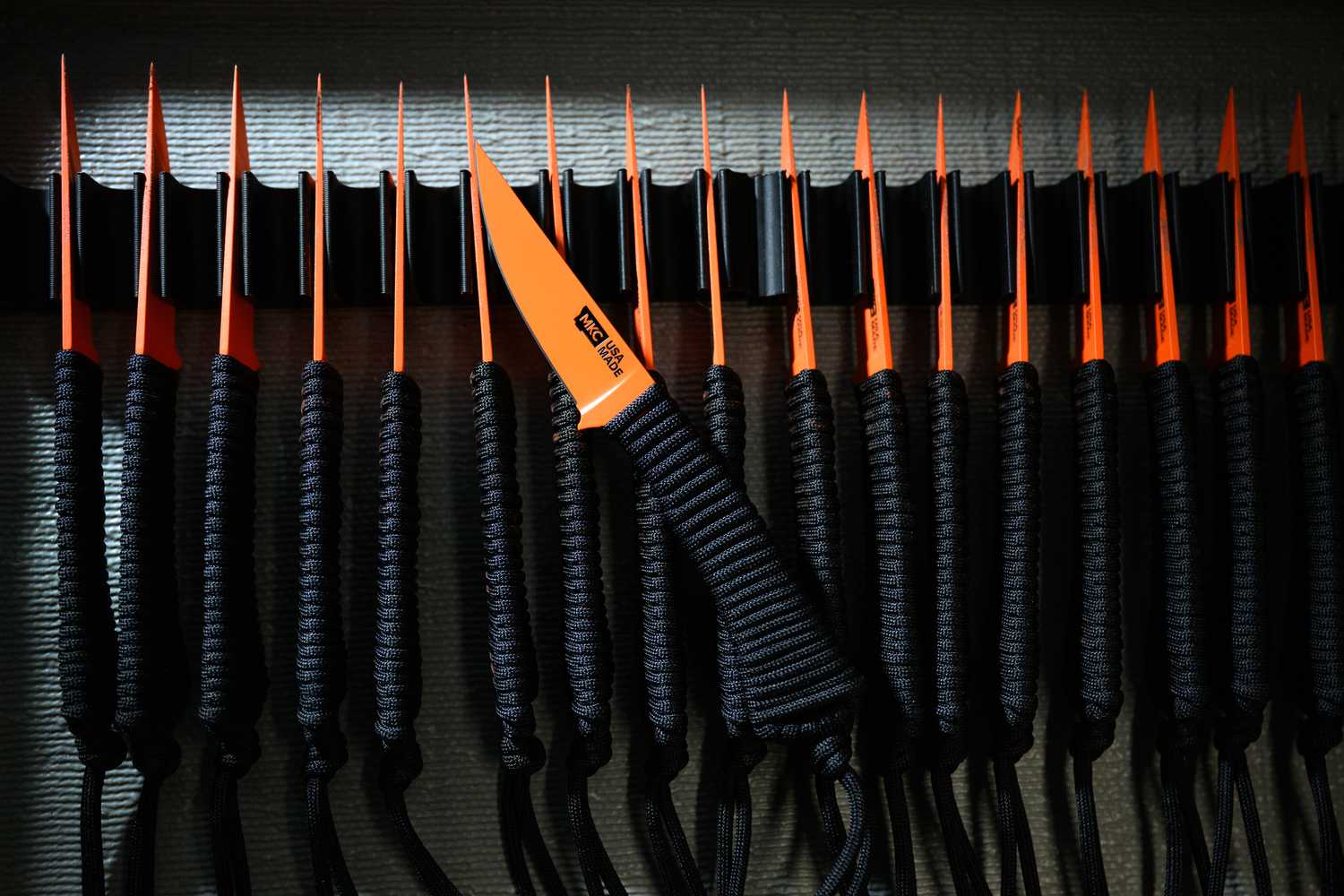
But, at the end of the day, it’s still about building a great hunting knife.
“In the early days, when Josh and I were just in a two-car garage, we thought it was really cool that we got to see these knives go on journeys we wished we could do,” Brandon says. “We were always jealous of our product.” MKC, of course, has sent knives to customers across Montana. But the brand has shipped to every continent, including Antarctica. Josh and Brandon haven’t lost excitement for what their product is able to do for customers around the world.
“Ranchers are using our knives to cut bale strings. Hunters are using our knives [to process game]. Outfitters, guides and blue-collar tradesmen are using our knives in their businesses,” Josh adds. The online shop shows a wide diversity of knives, from the Sharptailed Knife for upland bird hunters to the original Blackfoot hunting series to the Great Falls Skinner built for the specific needs of power linemen.
MKC customers buy knives both online and in-house. The new facility welcomes 300 to 500 visitors a day into its retail space and coffee shop, while 145 employees show up for work each day. The company is growing so fast that Josh laments that he can’t directly impact every employee like he used to, but he counts on his dedicated team to help pass on the culture the MKC team has built together. Josh Smith is adamant that the American Dream is alive and well, and that, for him, only one state was going to help him make his own dream a reality:
“Montana is a place where you can build a great American brand.”
You May Also Like

Regional
Guidebooks