Teton Pass Ski Resort
A Man, a Mountain and a Community
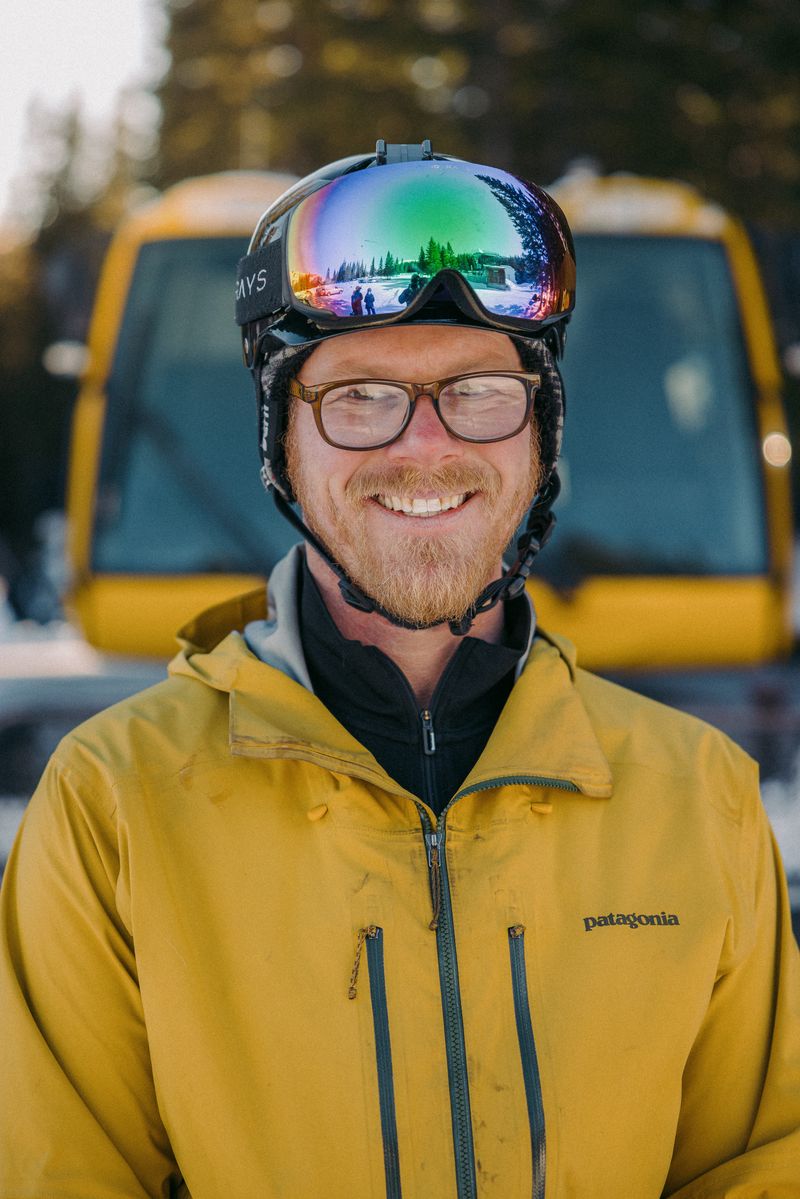
The lifts closed hours ago. The final skiers have been accounted for and the trails are clear. Even the lodge has closed for the night. But back in the kitchen, Chuck Hlavac is prepping food for the restaurant, to be ready to welcome skiers for another day on the slopes of Teton Pass Ski Resort in Choteau, Montana.
Chuck didn’t set out to own the small, independent Montana ski area, but looking back, it feels obvious that all runs have led to this moment — even if those first runs didn’t happen in Montana. Chuck spent the first 14 years of his life in Minnesota, where his love of winter and skiing started.
“I grew up on a 174-foot vertical ski area. It just had rope tows and a couple of chairlifts. It was all about laps and repetition and skiing terrain parks on man-made snow. Our parents would drop us off, and the ski area was the daycare. We would just ski all day, every day that we could — 9 in the morning until 9 at night.”
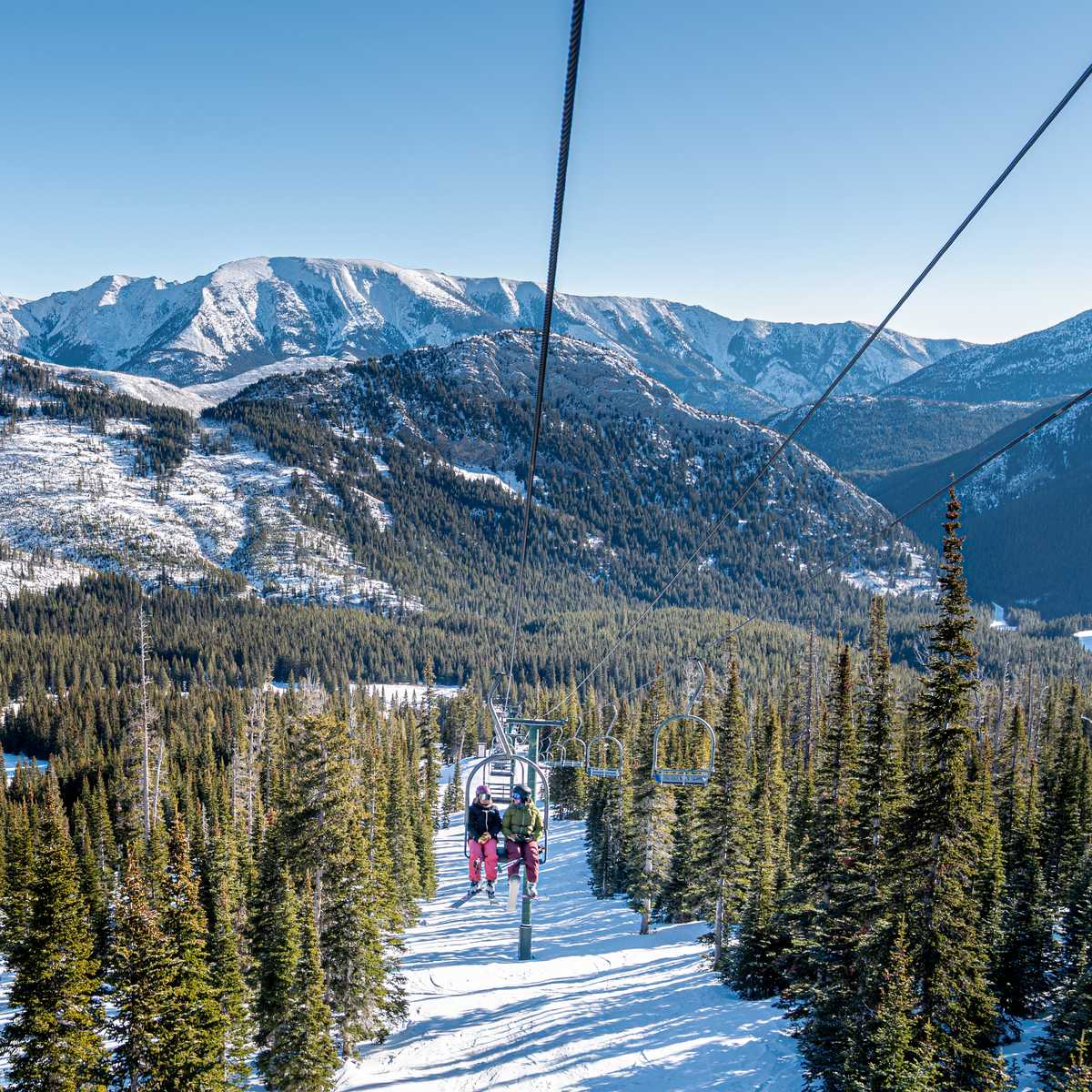
When the whole family moved to Choteau, they brought that love of winter and the outdoors with them. And Chuck really got to know Teton Pass and its 400 skiable acres on 1,000 vertical feet (and its additional 1,300 vertical feet available to those with the skill and avalanche training) on the Rocky Mountain Front. The ski area was owned by six locals at the time — farmers, ranchers and small business owners who ran it collectively in addition to their full-time jobs. Chuck worked for them as a snowboard instructor in high school and, on weekends in college, as part of the ski patrol. In all that time, he learned every trail, every little sneak run. He was there on good days, bad days and windy days. Those formative years cemented his passion for the mountain.
It’s one thing to love winter when you’re in it, when embracing it is your best chance of survival. To love it when you’re away is a truer test.
“After college, I went down to San Diego, working as an aerospace engineer and doing work for the DOD. Government job, benefits, a lot of stability. I started to realize pretty quickly that I wasn't getting my fix of winter. The vacation time I had was good, but I ultimately wanted to reconnect with my roots of being in a seasonal area. San Diego is 76 degrees year-round. Every day is bluebird.”
Forsaking the cushy life of Southern California weather and a government pension, Chuck came back to Choteau and back to the cool embrace of snow-covered mountains. In the time he’d been gone, Teton Pass had changed hands. The new owner, a New Zealander with ambitions, investors and, initially, deep pockets, created the right situation for Chuck to eventually take over as general manager. The role was an education: Chuck learned food and beverage management, avalanche mitigation, grooming, staff training and management, and more. He and his team were figuring it out and making it work, but the investors wanted profits, and despite their best efforts, Chuck and the New Zealander did not find a way to meet those financial expectations. The owners put Teton Pass on the market.
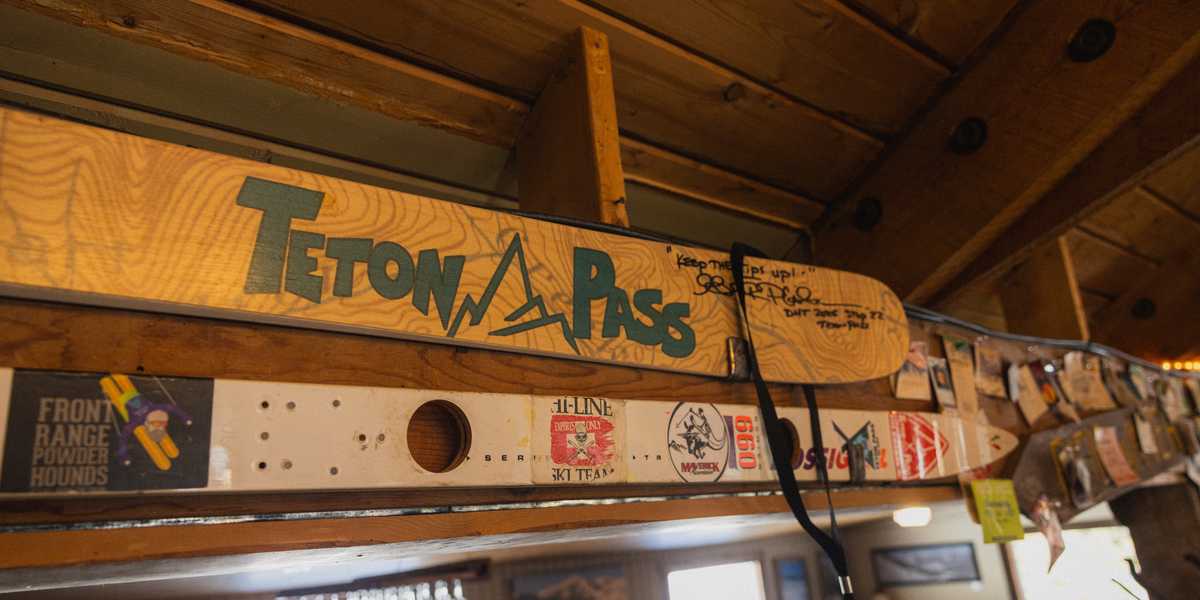
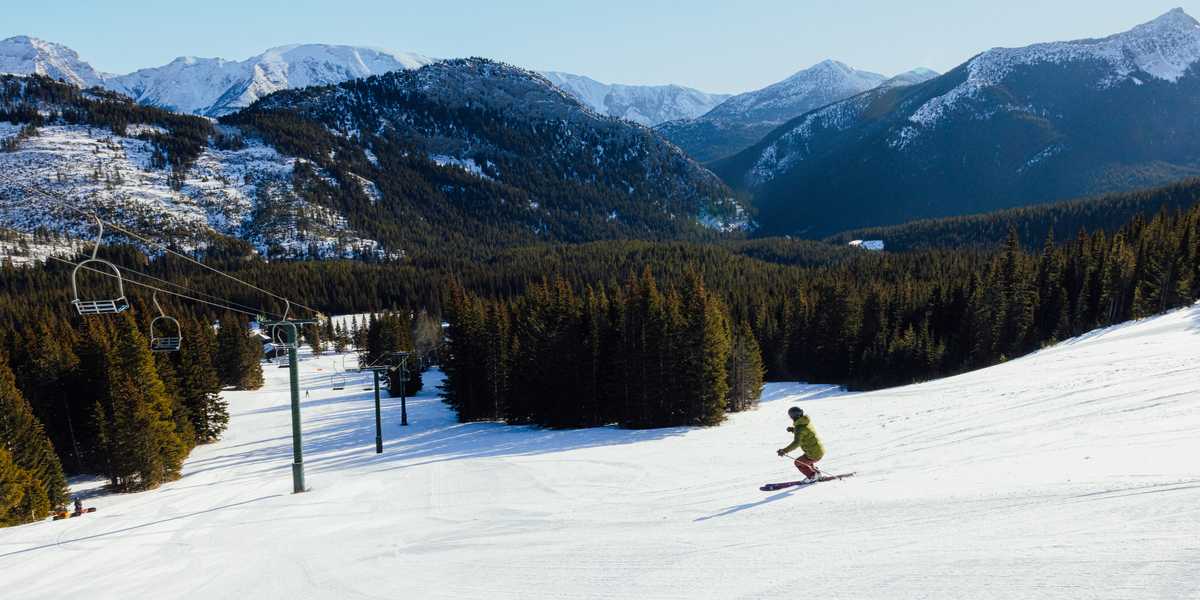
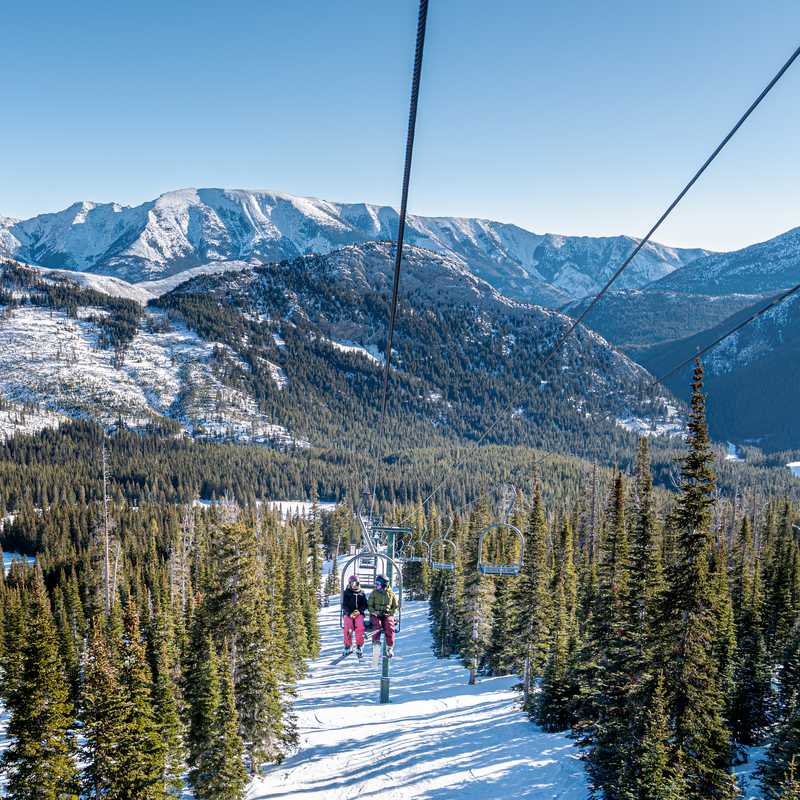
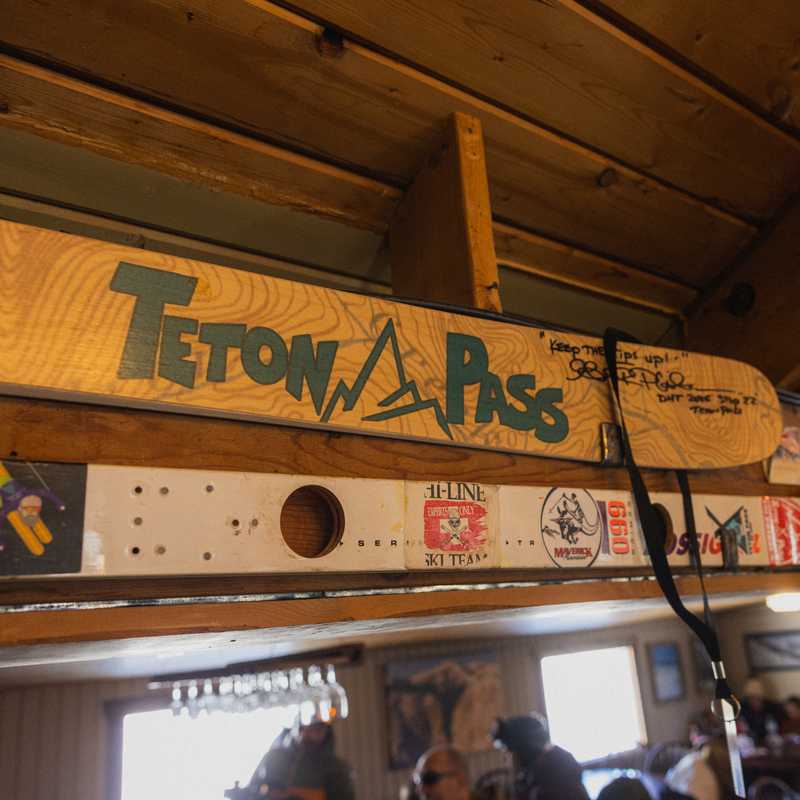
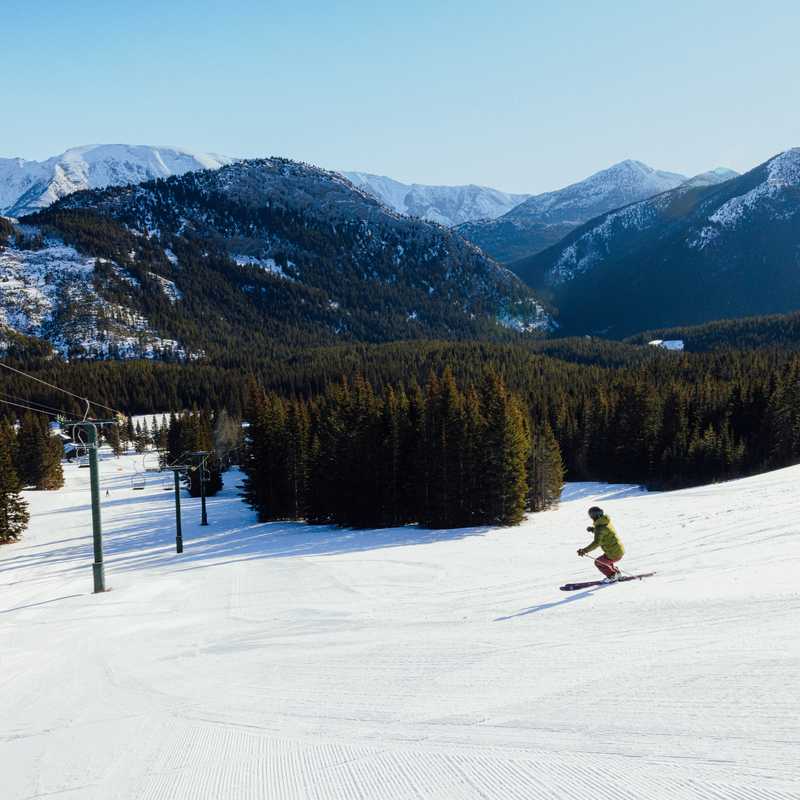
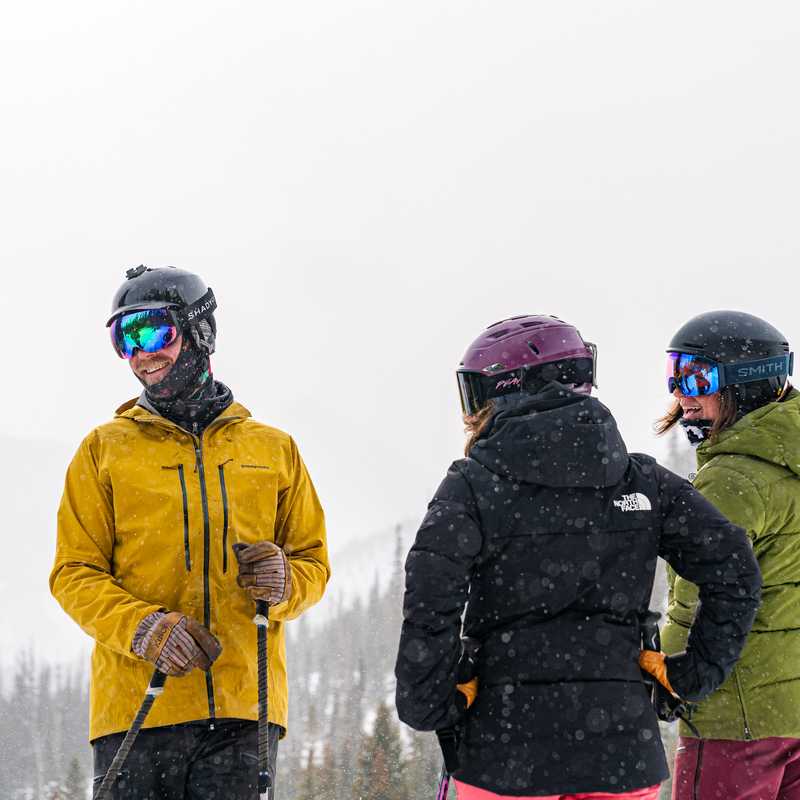
For some time, the ski area sat idle, awaiting a buyer. It was then that it crystallized for Chuck just how vital the ski hill was to Choteau and nearby communities. “We plow the road and we provide the access. It’s the ski area primarily, but it’s the people going snowshoeing, the people getting their Christmas trees, the folks in the hunting season, or going snowmobiling that are stopping in for a burger and a beer. It’s greater than just a chair lift. It’s the access to mountains from a range of small towns that don’t have it elsewhere.
“Nobody else is plowing roads. We do between 8 and 11 miles of plowing to keep this access all winter long. When nobody's paying for lift tickets, nobody's plowing the road — you can't get here. Those winters when it was shuttered were hard winters. Like the Nordic countries with all the darkness and how the depression sets in — it's no joke. You can only go to the bowling alley so many times. People want to be outside. They want to ski. They want to be in the sun getting fresh air, exercising and leaving their house.”
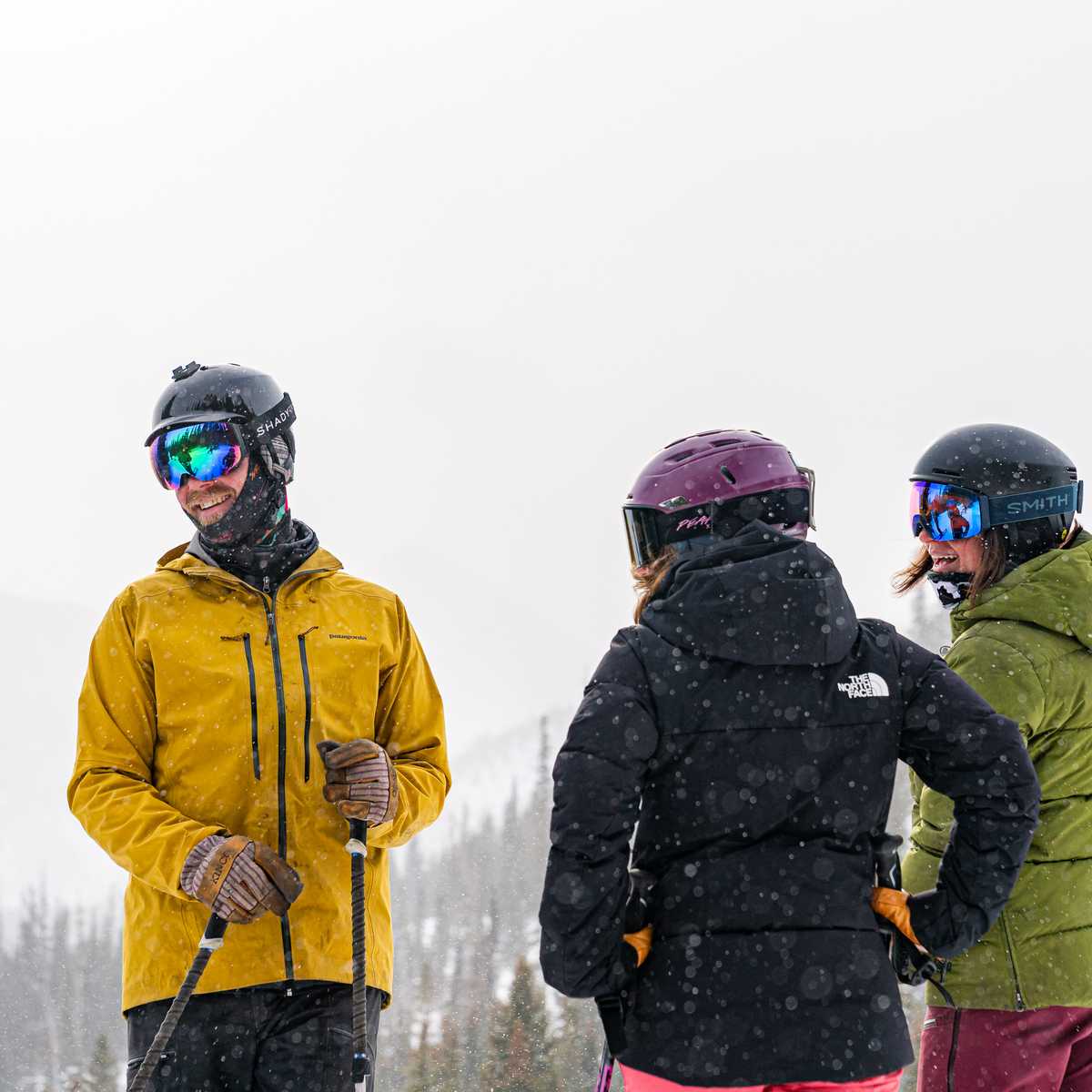
Chuck continues, “This place is like a campfire. When we aren't open, there's no campfire and I don't see those people. The social scene in the winter is nil. When this place is going, everyone comes around the campfire. And we're all telling stories, we're all hanging out and we get to see our friends. There's a huge social component to it.” Knowing what Teton Pass meant to the area and to his own life, Chuck took the plunge and bought it in 2019, determined to manage all that goes into keeping it running. And it’s a lot to manage: plowing, grooming, avalanche mitigation, the rental shop, lift operation, the restaurant.
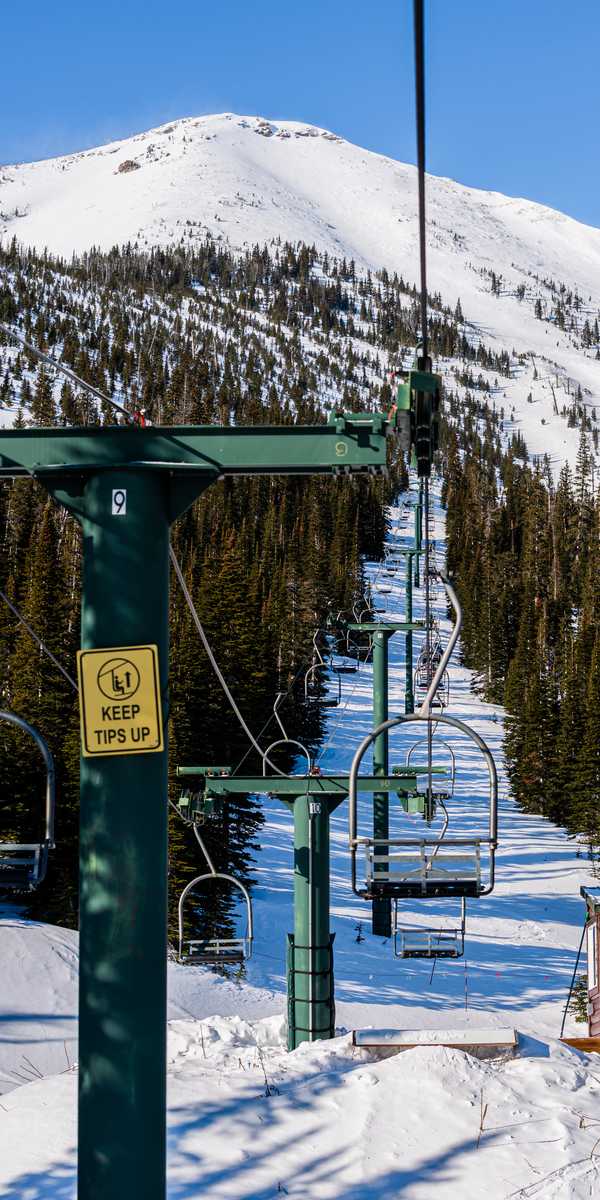
“Go to any ski area this size and you're going to find that the owner-operator is also the guy that knows how to weld and fix the chairlift. He's also the guy that knows how to fix the fryer or the hot chocolate machine. And they're usually the ones vacuuming the carpets or taking out the garbage,” Chuck says. “At times you have to figure out how to create more than 24 hours in a day, which we haven't figured out yet. But I have a good team, a good staff, and I have a lot of help.”
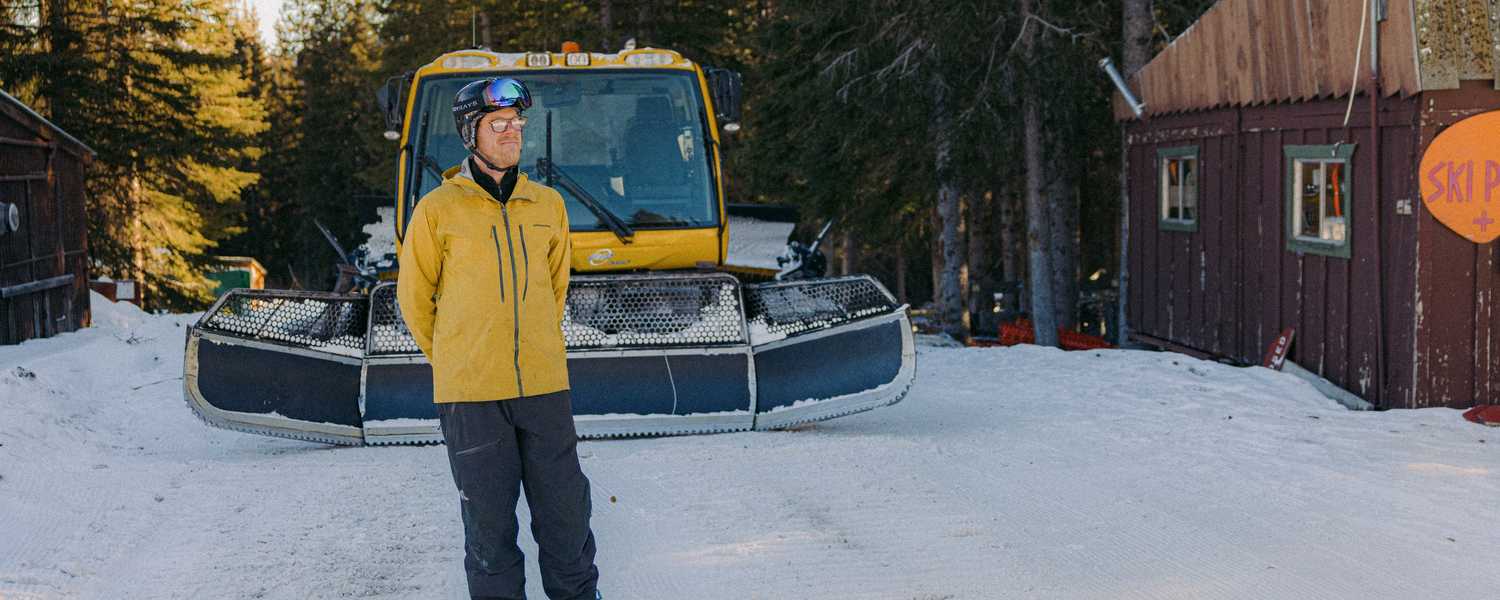
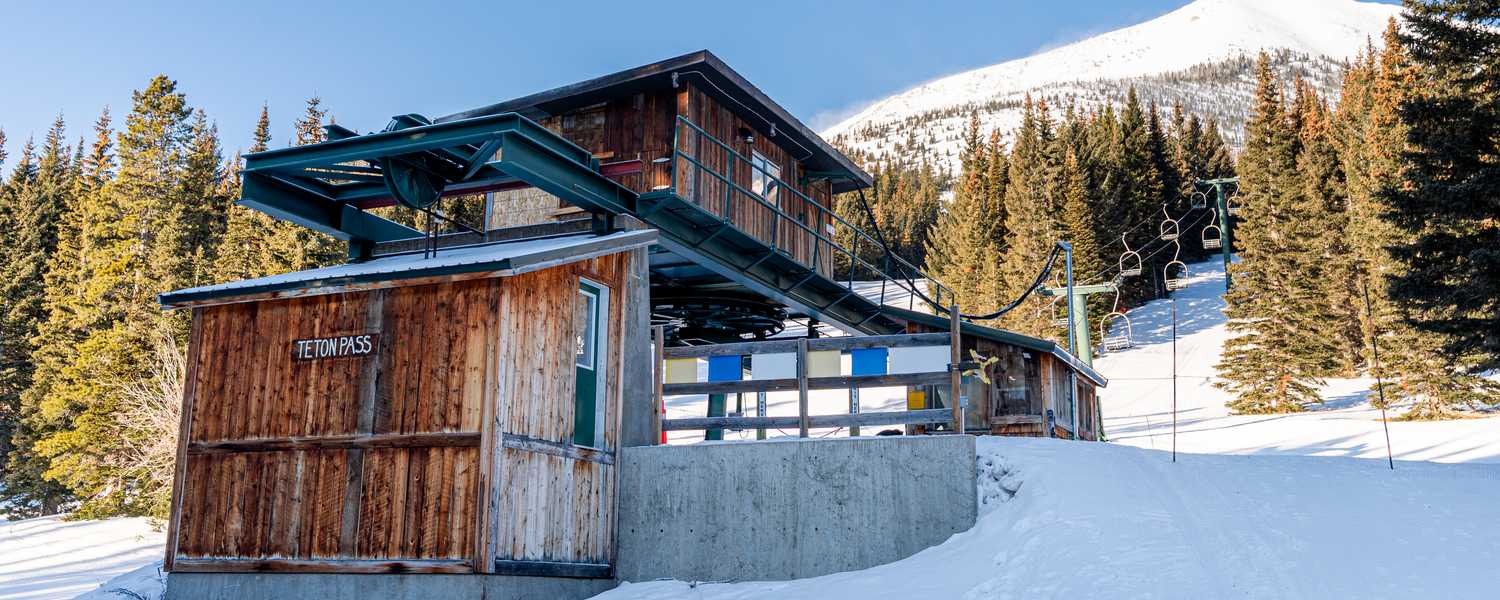
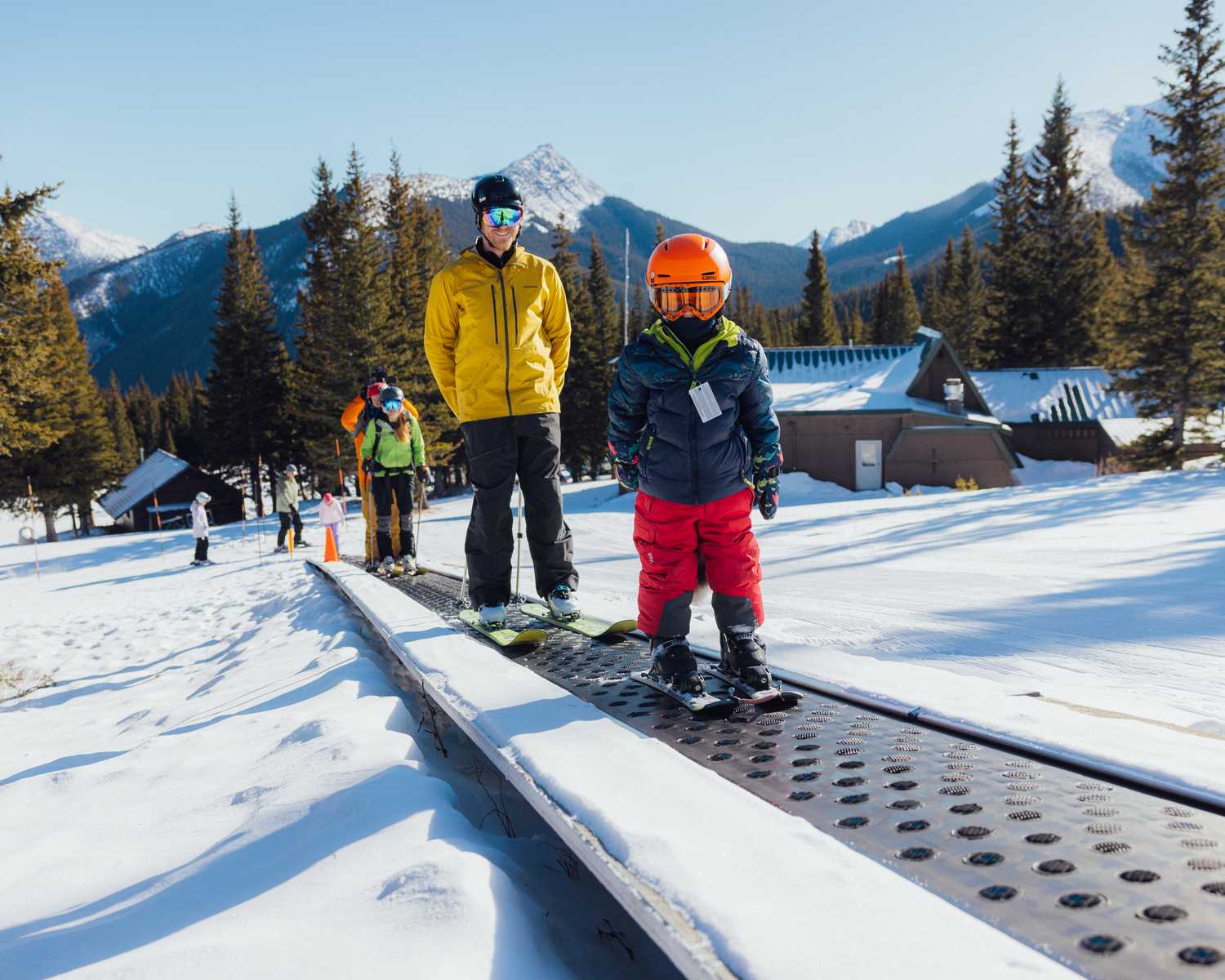
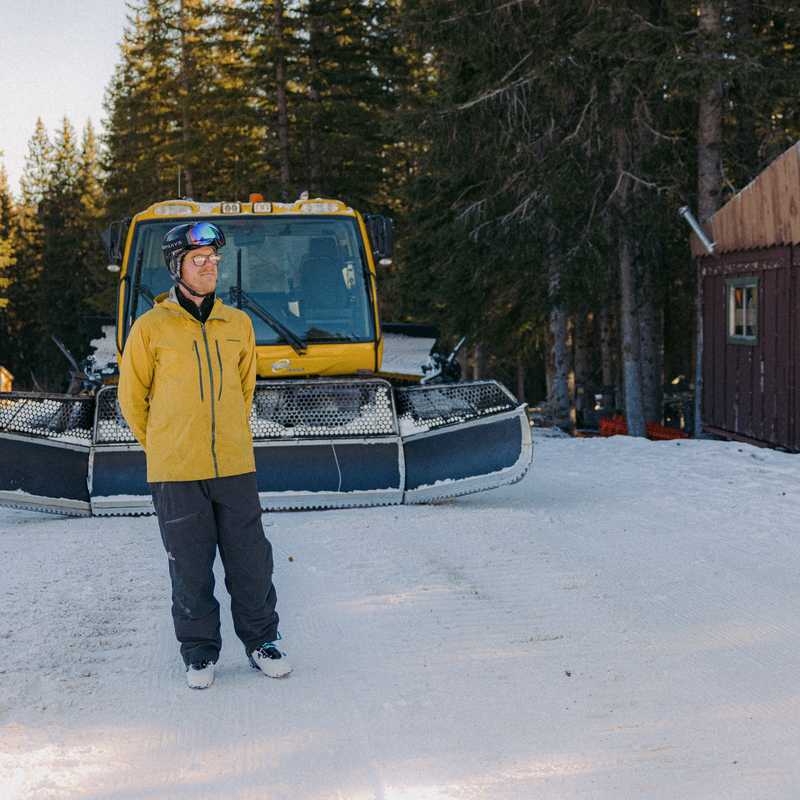
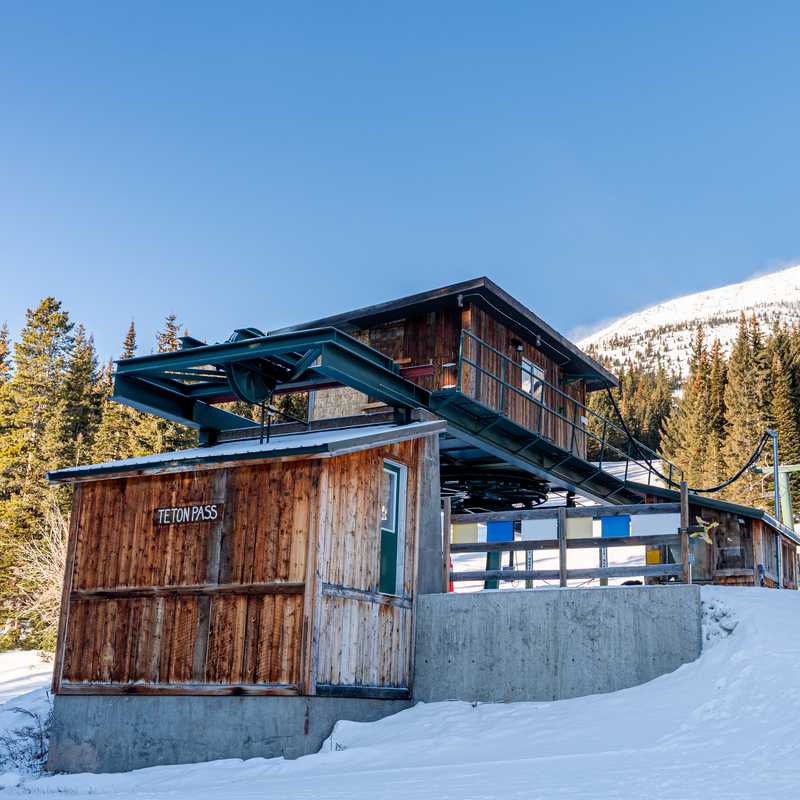
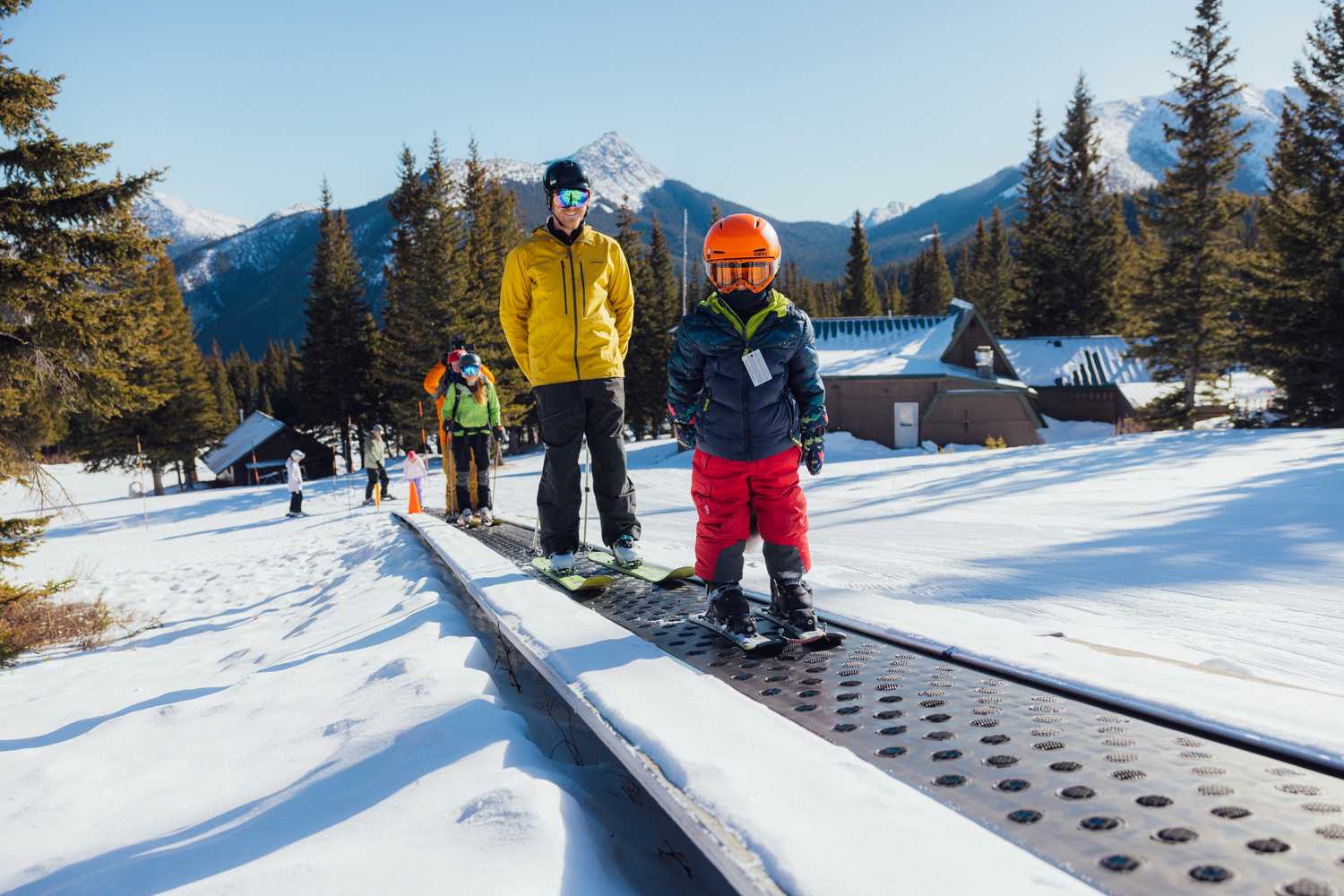
Still, Chuck’s days during the season are long, and there are sacrifices made — like being away from his family for days at a time when his wife cares for their two young kids at home in Choteau and he’s staying on the mountain. But at the end of the day, it feels worth it. To him, Teton Pass “is a place that exists here because somebody — myself and others — want it to be here and we love it that much that we’re willing to sacrifice.”
“I don’t feel like an owner,” he says. “I feel like this is just a place that I’m the steward of, because it doesn’t feel like there’s really anything to own. It’s a community. This whole place exists for those people out there skiing. It’s not for my personal benefit. I’m here because they’re smiling and they want me to keep doing it.”
It was probably after a long day of work that a friend, over drinks at the lodge’s bar, introduced Chuck to the Buddhist idea of “joyous effort” — of meeting challenges with interest and enthusiasm, of taking joy in constructive action. For Chuck, it resonated, and not too long after, on a night when his family stayed with him on the mountain, he recognized it.
“I was helping prep food for the next day in the kitchen with my kids. We're baking brownies. We're baking Rice Krispy treats, and we’re making potatoes into french fries. And it clicked — it was like this moment where I saw what my kids are going to think back to. They’re going to have a memory of that and I’m going to have a memory of that. When they're off to college and doing other things, I’m going to be thinking back to those nights that we were doing that together as a family. Nobody else was here, the music was turned down, and we were just operating and getting it done, working late. And the next thing we did was brush teeth and go to bed.”
You May Also Like

Regional
Guidebooks